



Live Dictation and Speech to Text
Press the button, talk, and the words appear as you say them. Fix anything by typing, then copy it or download a .txt. No account and no time limit.








Where your voice goes. This uses your browser's own speech recognition, and each browser does it differently. Chrome on the desktop sends the audio to Google's speech service, and on Android it hands it to the phone's own recogniser. Edge uses Microsoft's Azure service, which Microsoft says plainly means the voice data leaves the machine. Safari passes it to the speech engine already on your Mac or iPhone, which keeps it on the device when the system has a model for your language. That is your browser talking to its vendor, not to us. Softery never receives the audio and never stores the text, which stays in this tab until you copy or download it.
When your hands are busy
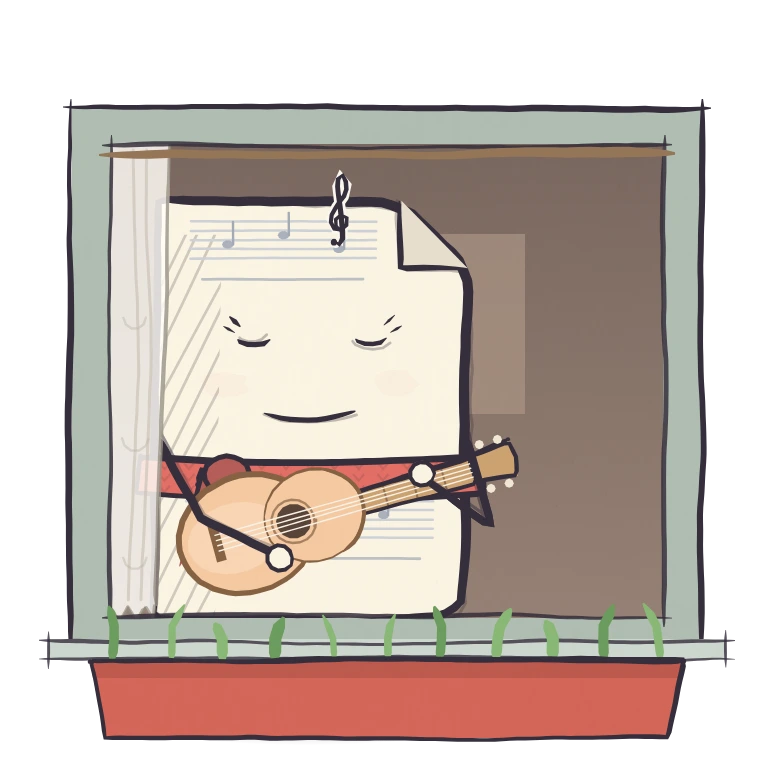
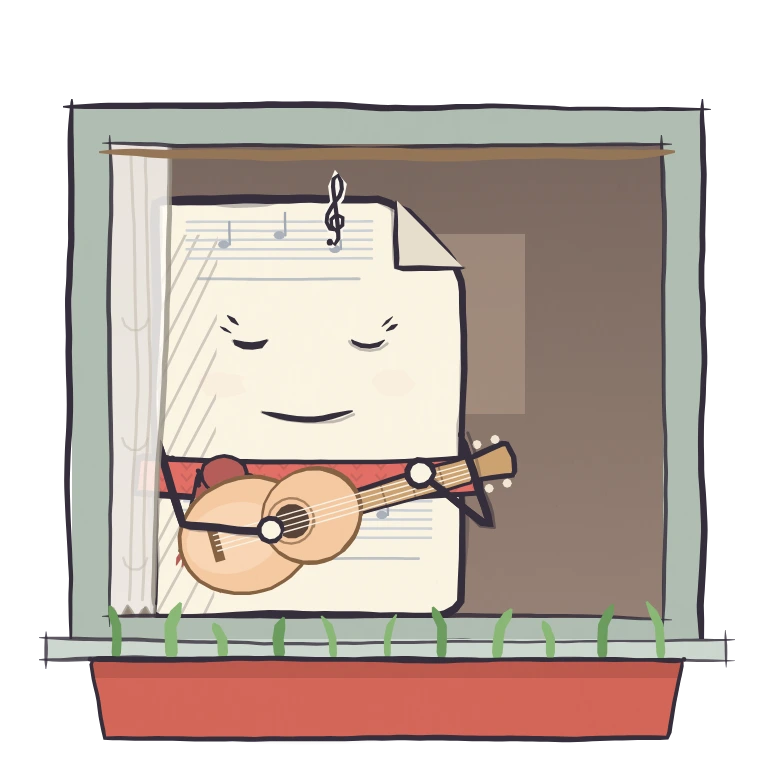
Say you're halfway through painting a room, both hands blue to the wrist, and the words for something come to you. A reply you owe someone, or lyrics for the tune your neighbor plays at her window every morning. You can't hold a pencil like that. You can still talk.
Press Start dictation and say it. The words show up in the box as you talk. If you stop to think, the browser ends its session and the page starts a new one by itself, so you can just keep going. If a word comes out wrong (the cat yawned right over it, say), fix it by typing straight into the box while it keeps listening. When you're done, press Stop dictation, then Download .txt. With timestamps off, which is the default, the file is exactly what's in the box.
Where your voice actually goes
Speech recognition in a browser is not one thing. It is whatever each browser vendor built, and they disagree with each other.
Chrome on the desktop uploads the audio to Google, and the address is written into Chromium itself. Chrome on Android takes a different path and hands the audio to the phone's own recogniser. Edge uses Microsoft's Azure speech service, and Microsoft's own admin documentation says in as many words that the voice data leaves the machine. Safari hands the microphone to the same speech engine the rest of your Mac or iPhone uses, and Apple keeps that on the device when the system has a model for the language you picked. Firefox ships the code switched off behind a preference.
Mozilla's own reference puts the default in one line: speech recognition on a web page involves a server-based engine, the audio is sent to a web service, and so it does not work offline. None of that traffic goes through Softery. We never receive the audio and never see the text. What you say lands in the box on this page and stays there until you copy it, download it, or close the tab.
Why dictation stops, and why this page starts it again
The specification sets no silence timeout and no maximum session length, so how long a browser keeps listening is entirely up to that browser. What it does define is an end event that fires whenever the session ends, whatever the reason. A page that ignores that event looks broken the first time you stop to think.
This one listens for it and starts the recogniser again, which is why you can pause in the middle of a sentence and carry on. Chrome on Android needs it most of all: the compatibility data records that the continuous setting can be set there but has no effect.
The restarting has a limit on purpose. A microphone that is blocked or missing ends the session immediately every time, and a page that keeps retrying spins forever. After eight restarts inside five seconds this one stops and asks you to check the microphone.
Getting a clean first draft
- Talk in whole sentences. Recognition uses the words around a word to choose it, so half a phrase gets guessed at more than a finished one.
- Say the punctuation. Comma, period, question mark and new paragraph are understood by most engines and save you the tidying afterwards.
- Fix it in place. The box is an ordinary text box. Correct a name, delete a false start, and keep talking.
- Turn on timestamps for notes. Each thing you said gets its own stamped line in the download, which is what you want when you are taking notes against a recording or a meeting.
What this does not do
It does not transcribe a file you already have. It listens to a live microphone, so an audio or video file needs a different kind of tool.
It does not translate. Pick the language you are speaking and you get that language back.
It cannot tell you which languages your own browser supports. There is no way for a page to ask, which is a gap in the API rather than a shortcut taken here. If a language comes back with an error, your browser does not have it.
Common questions
Does this page record my voice?
No. The audio goes from your microphone to your browser's own speech service and nothing here keeps it. There is no account, no upload to Softery and no file left behind.
Is there a time limit?
No. The browser ends its own session after a pause and this page starts a new one, so you can dictate for as long as you like.
Why does nothing happen in Firefox?
Firefox ships the code but keeps it switched off behind a preference, and Firefox for Android does not have it at all. Chrome and Safari both work, though Safari needs Siri turned on.
Can I dictate without a connection?
Not by default. Most browsers send the audio to a speech service, so dictation needs the network. Chrome added an on-device mode on the desktop in version 139, which needs a language pack downloaded first, and this page does not ask for it.
Dictated something long? The word and character counter tells you whether it fits wherever it is going, and the em dash remover cleans up the punctuation a speech engine guesses at. All of the free tools work the same way: no account, no watermark, nothing stored.